
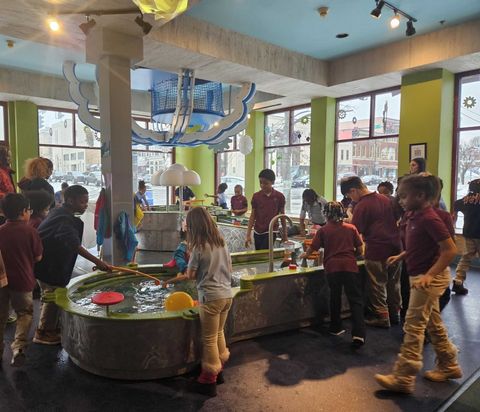
Walk into the Children's Museum of Oswego on any given day and you'll hear laughter, excited conversations, and the occasional splash from the water table. To many adults, it might look like children are simply having fun.
And they are.
But they're also doing something else that's just as important.
They're learning.
Not the kind of learning that happens from a worksheet or a lecture. The kind that happens when children are curious, engaged, and free to explore the world around them. In fact, play is one of the most powerful ways children make sense of how things work, build confidence, solve problems, and develop the skills they'll use throughout their lives.
At the Children's Museum of Oswego, we see it happen every day.
The Water Table: Where Questions Become Discoveries
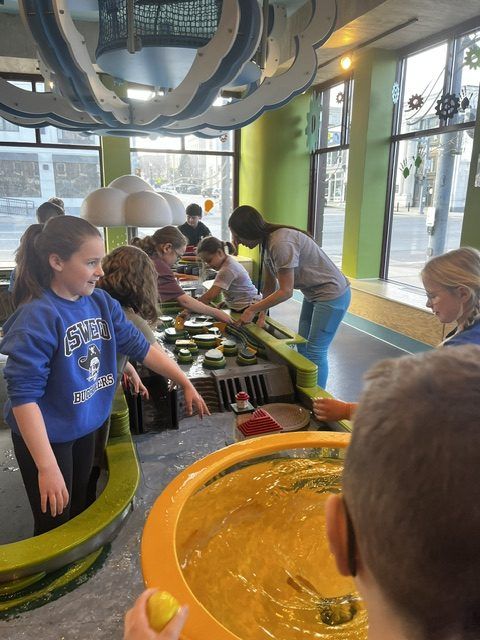
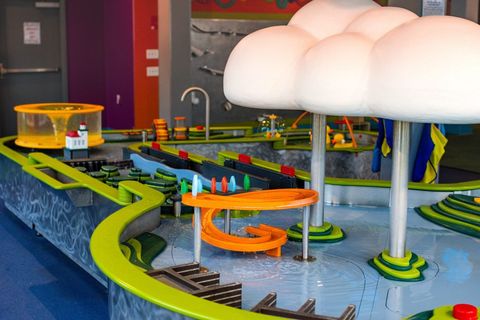
Few exhibits attract children faster than the water table.
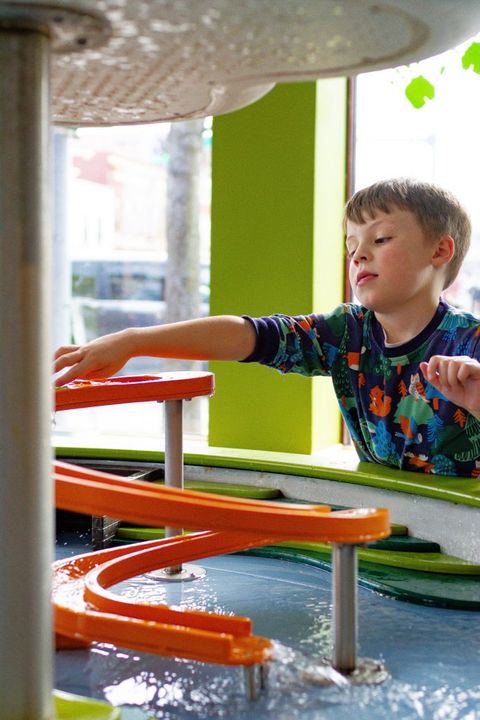
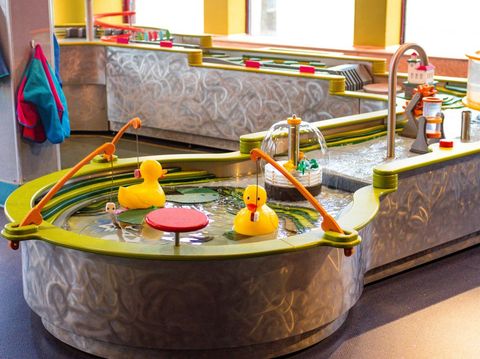
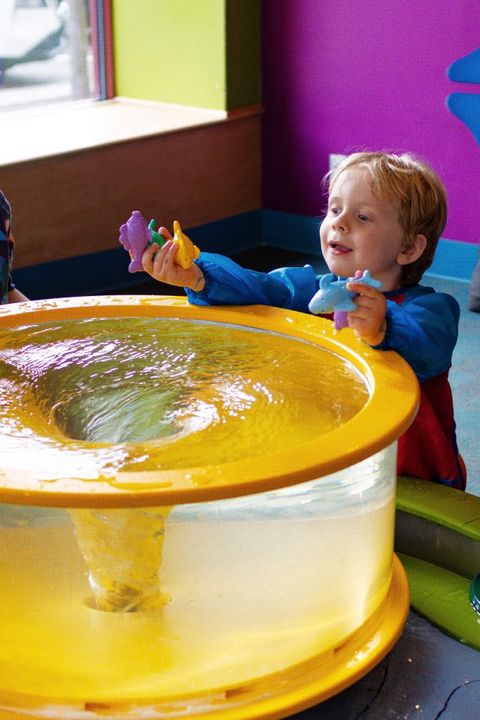
At first, it looks simple. Children use the dam blocks and watch it flow from one place to another, experience the water funnel, fish in the pond, and make it rain.
But if you spend a few minutes watching, you'll notice something interesting.
Children are constantly asking themselves questions.
What happens if I block the water here?
How do I get the boats through the canal?
Which attachment shoots the water higher into the air?
Without realizing it, they're experimenting. They're testing ideas and adjusting when something doesn't work. They're observing, predicting, and discovering cause and effect.
The water table teaches children that learning isn't always about finding the right answer. Sometimes it's about asking a question and seeing what happens next.
Town Square: Practicing Life Through Play
One of the most remarkable things about children is their ability to turn imagination into reality.
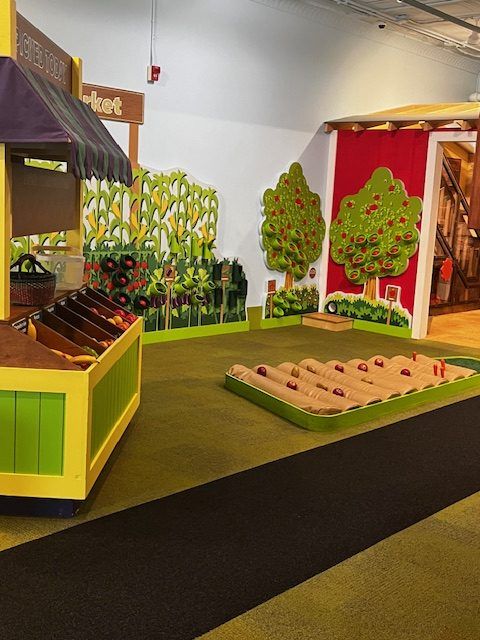
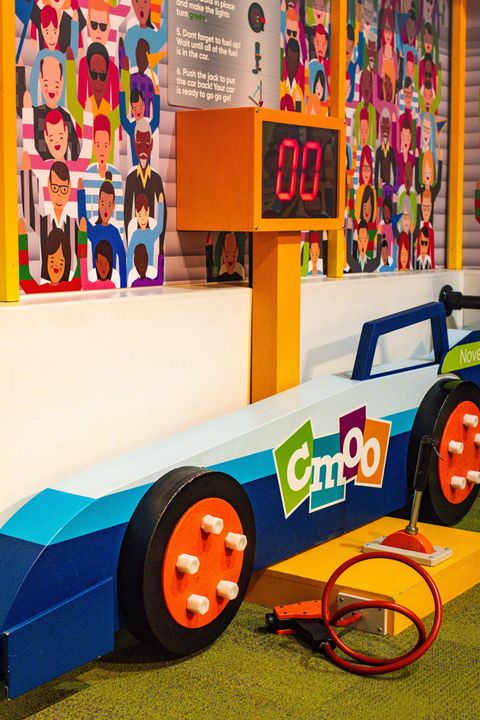
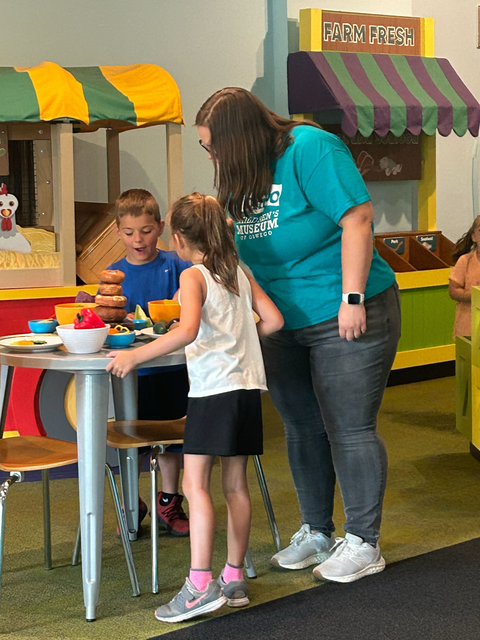
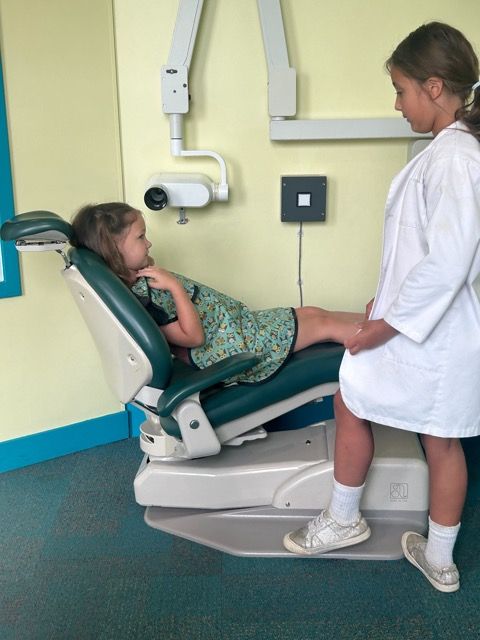
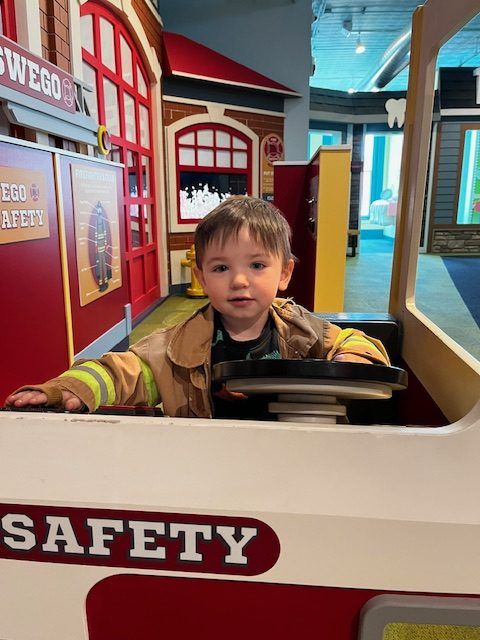
In Town Square, a child might become a race car driver, a firefighter, a dentist, a chef, or even a farmer. What looks like make-believe is actually helping children understand the world around them.
As they take on different roles, they're learning how to communicate, cooperate, negotiate, and solve problems together.
You'll often hear conversations like:
"What would you like on your pizza."
"Sit in the dentist chair."
"What do we need from the farmers market for dinner."
Those simple exchanges are helping children build language skills, social skills, and confidence.
Through pretend play, children practice situations they see in everyday life. They learn how communities work and how people interact with one another. They begin to understand different perspectives and develop empathy for others.
Those are lessons that stay with them long after they've left the museum.
Big Blue Blocks: Building More Than Structures
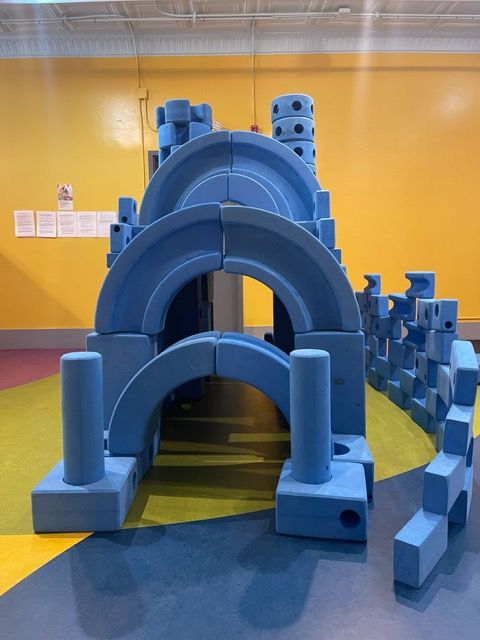
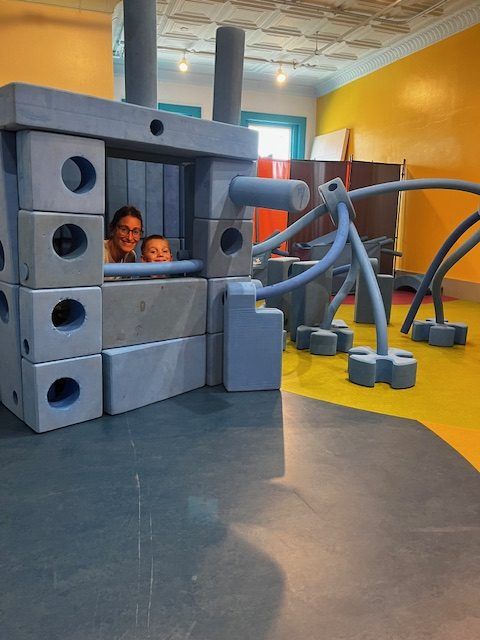
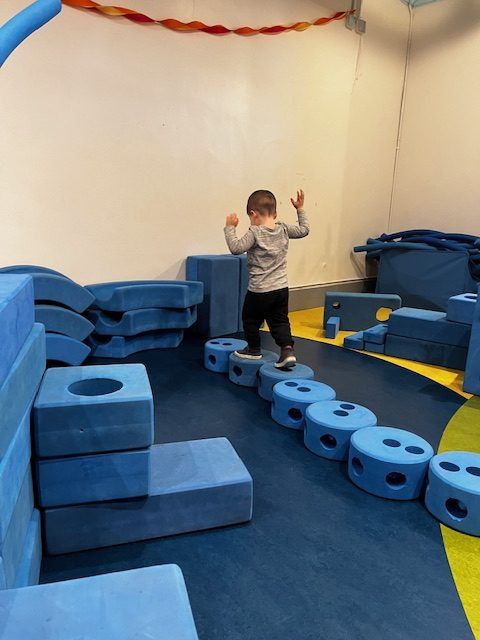
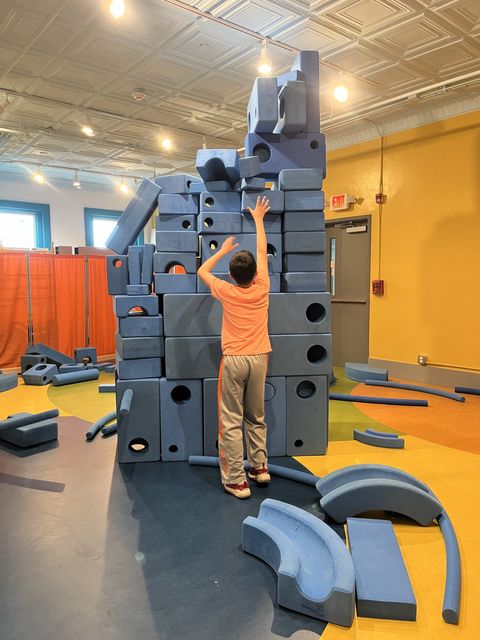
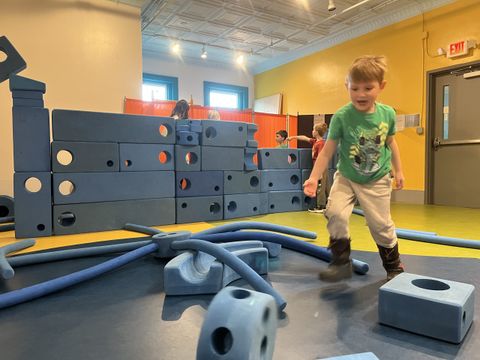
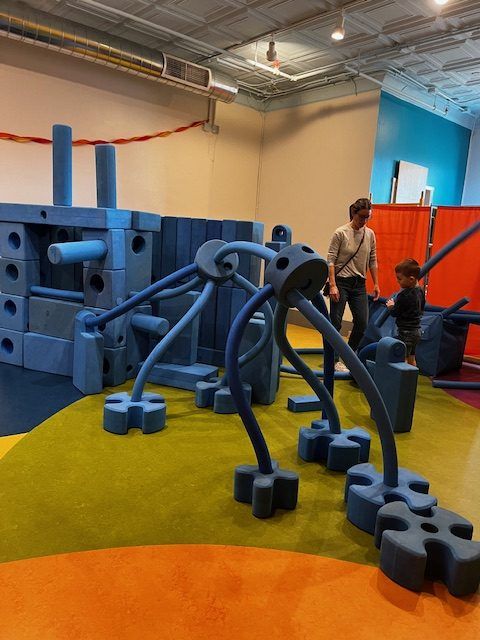
The Big Blue Blocks area is often filled with towering creations, imaginative vehicles, and children working together to bring their ideas to life.
Some visitors see blocks.
Children see possibilities.
One child may decide to build a castle. Another may create a race car. A group of children might work together to construct something none of them could build alone.
The process is where the real learning happens.
Children quickly discover that not every idea works the first time. Towers tip over. Walls collapse. Bridges don't always stay standing.
Instead of becoming discouraged, they adapt.
They move pieces around. They test new ideas. They try again.
In those moments, children are developing persistence, creativity, and problem-solving skills. They're learning how to work as a team, communicate their ideas, and overcome challenges.
Most importantly, they're learning that mistakes aren't failures. They're simply part of figuring things out.
Why It Matters
The skills children develop through play aren't separate from learning. They are learning.
When children explore the water table, they're thinking like scientists.
When they play in Town Square, they're practicing communication and social skills.
When they build with Big Blue Blocks, they're learning to think like engineers and designers.
The beauty of play is that children don't need to be told they're learning. They simply become absorbed in what they're doing. Their curiosity leads the way, and learning follows naturally.
More Than a Place to Play
At the Children's Museum of Oswego, we believe childhood should be filled with opportunities to wonder, create, explore, and discover.
Every exhibit is designed to encourage children to ask questions, solve problems, and try new things. Not because we're trying to rush them toward adulthood, but because these experiences help them build the confidence and skills they need to navigate the world around them.
So the next time you visit and see children splashing at the water table, serving pizza in Town Square, or building something incredible with the Big Blue Blocks, take a moment to look a little closer.
What appears to be play on the surface is actually something much bigger.
It's learning in its most natural form.